04 Sep 2026

Whether you need assistance with contract management, supplier relationships, or revenue optimization, trust us to be your go-to resource!
Expert Property Management Solutions
Call Us Today: 239-333-3272

Understanding Florida Commercial Lease Agreements: Tips for Property Owners
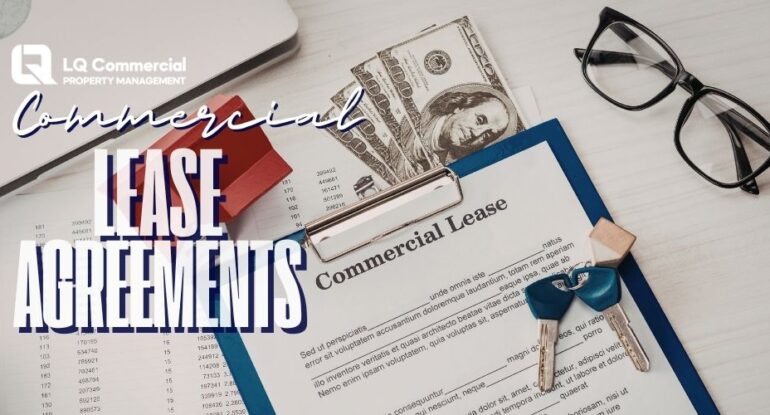
Navigating commercial lease agreements in Florida can be complex, especially for property owners seeking to protect their investments while maintaining strong tenant relationships. Whether you own retail space, office buildings, or industrial properties, understanding the key components of a lease is essential for long-term success. At LQ Commercial Property Management Services, we help Florida property owners simplify lease management and maximize returns.
Know the Types of Commercial Leases
In Florida, the most common lease structures include gross leases, net leases, and modified gross leases. A triple net lease is particularly popular, where tenants are responsible for property taxes, insurance, and maintenance costs. Understanding which lease type best suits your property and financial goals is the first step in creating a profitable agreement.
Clearly Define Terms and Responsibilities
A well-drafted commercial lease should clearly outline rent amounts, payment schedules, lease duration, renewal options, and maintenance responsibilities. Ambiguity can lead to disputes and financial loss. Be specific about who handles repairs, utilities, and common area maintenance (CAM) fees. This clarity helps avoid misunderstandings and ensures smoother tenant relationships.
Stay Compliant with Florida Laws
Florida commercial lease agreements must comply with state and local regulations. While commercial leases offer more flexibility than residential ones, legal compliance is still critical. Property owners should ensure lease terms align with Florida statutes, zoning laws, and local ordinances. Working with a professional property management company can help you stay up to date and reduce legal risk.
Include Strong Default and Termination Clauses
Protecting your investment means planning for worst-case scenarios. Your lease should include clear default provisions, late payment penalties, and eviction procedures. Additionally, outline the conditions under which either party can terminate the lease. These clauses safeguard your property and provide a clear course of action if issues arise.
Consider Market Trends in Florida
Florida’s commercial real estate market (especially in high-growth areas like Tampa, Orlando, Naples, and Fort Myers) is constantly evolving. Setting competitive rental rates and flexible lease terms can help attract and retain quality tenants. Staying informed about local market conditions ensures your lease agreements remain both profitable and appealing.
Work with a Professional Property Management Team
Managing commercial leases can be time-consuming and legally intricate. Partnering with LQ Commercial Property Management Services gives you access to expert guidance, lease administration, tenant screening, and ongoing support. This not only reduces stress but also improves tenant retention and overall property performance.
The Takeaway
Understanding Florida commercial lease agreements is key to protecting your investment and ensuring consistent income. By clearly defining terms, staying compliant, and adapting to market trends, property owners can create strong, effective lease agreements. With the right support, you can confidently navigate the complexities of commercial leasing and achieve long-term success in Florida’s competitive market.
Visit www.lqcpm.com to learn how professional management can protect your investment.